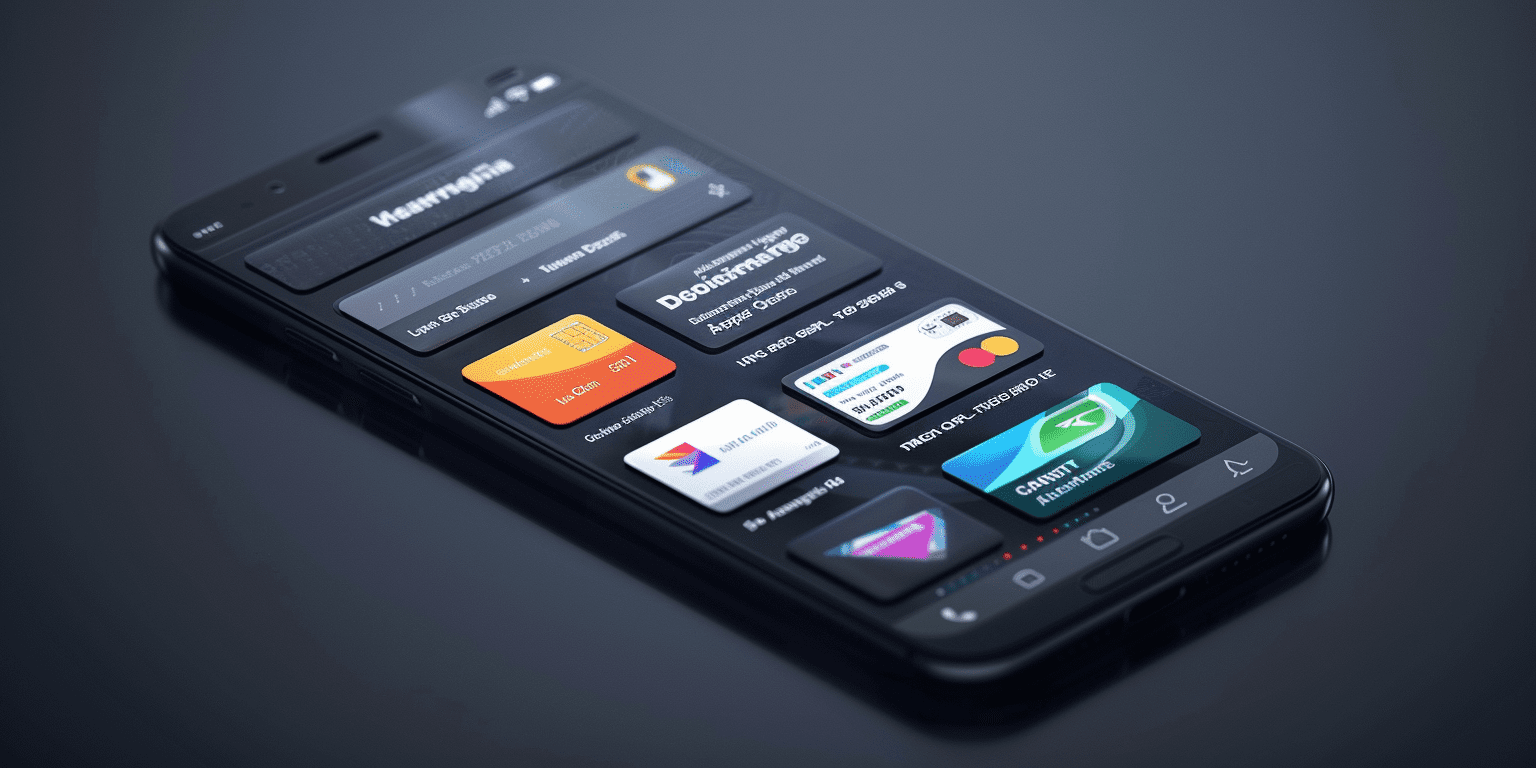




Our original cooperation with the client - a large financial and banking organization with over two decades of operating on the market - started several years ago with a full-service mobile payment app development with a list of banks integrated and supporting contactless transactions.
Our partnership didn’t end with product delivery, as the client was so satisfied with the solution and terms that they requested full support and maintenance, along with the implementation of new features, such as a notification system, and improved security later on.
Challenge
After almost two years of consistent app operation, the client decided to enhance customer retention and establish an emotional connection with their users within the existing solution. The developed app possessed all the required functionality to provide the audience with complete payment services, but user interaction was not initially designed. The client wanted to change that and introduce ways to communicate with their customers.
After a round of discussions and planning, we suggested implementing a time-tested and reliable solution that proved its worth in the banking and finance spheres - a Loyalty program. In this case, a Loyalty program represented banking software designed to reward users for their every purchase using the app with points that could be later spent on various merchandise. An easy-to-use solution served many purposes at once, such as notification, communication, user retention, and brand awareness building.
Solution
Since the client company worked in the banking sphere and operated with users' data, we had to comply with all their high-security standards and cybersecurity requirements. That way, we had to both ensure the fault tolerance of the entire system and provide fraud protection and data encryption.
One of the decisions was to store the entire system on the client’s servers in a separate segment with access through certain ports and protocols, and to implement a tool to encrypt all the sensitive data. The client’s security department was also strict in terms of password reliability, so we also designed a complex system of user password management that complied with the cybersecurity protocols.
Another point was compatibility. Since the newly developed Loyalty program was a part of the existing application, we needed to make sure everything worked well together. We decided to apply a REST-based architecture with several web services integrated through APIs. On top of that, the original application had a composite integration with the client’s HCE cluster (Host card emulation). Our main task was to preserve the architecture, so we made sure that each of our software iterations passed all the regression and compatibility tests conducted in-house, where we also applied our automated testing capabilities.
Result
That approach allowed us to deliver the solution on time and provide full maintenance and support after the release. As a result, the client’s brand recognition and trust drastically rose, and the number of transactions and new users increased. The launch of the new product served as a newsmaker, which also resulted in higher conversions and a happy client.